
Evolution Golf Carts Review: Electric LSV Models
Evolution's electric golf cart lineup reviewed: LSV-ready models, 2026 pricing, battery setup, and how it compares to legacy brands like Club Car and EZGO.
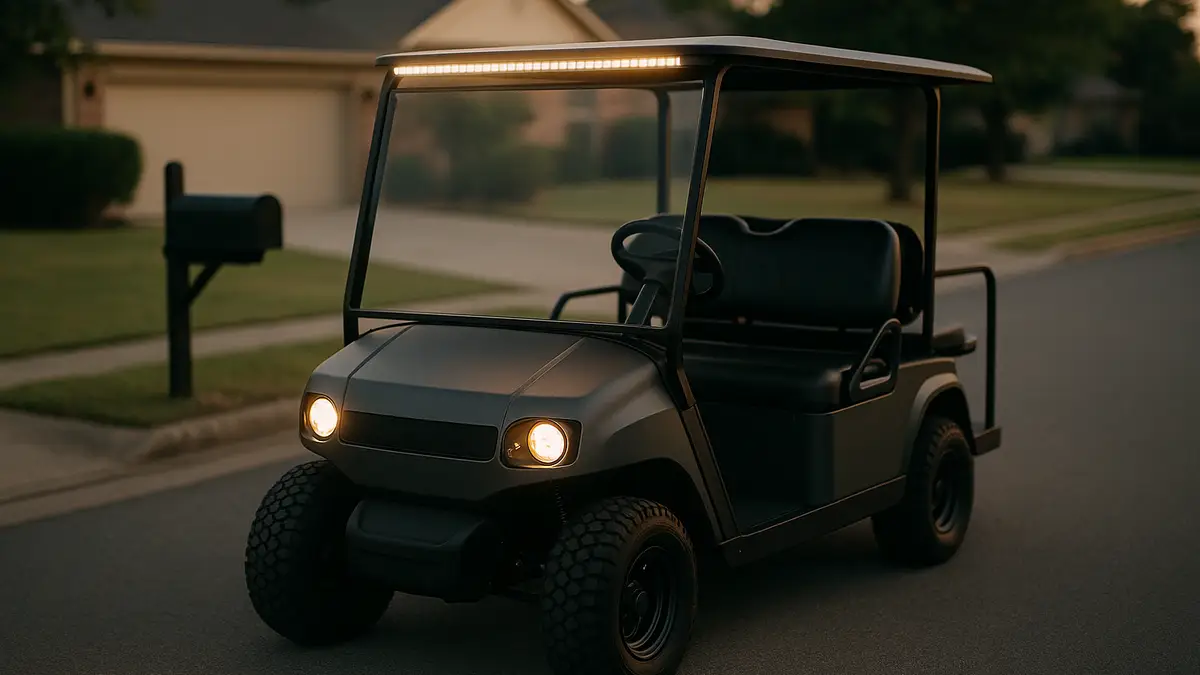
Evolution built its reputation by skipping the traditional dealer-showroom model and selling electric carts directly, often with street-legal equipment already installed. For a buyer who wants an LSV without adding the conversion parts separately, that positioning matters more than any spec sheet comparison against the legacy brands, and it’s reshaped how a chunk of the market shops for a golf cart in the first place.
What is Evolution, as a golf cart brand?
Evolution is a direct-to-consumer electric golf cart manufacturer, positioned around LSV-ready models and lithium battery options, competing against the legacy brands primarily on price and street-legal convenience rather than dealer density. The brand’s model range spans passenger carts, the Classic and Forester lines, and utility-oriented trims like Carrier and Turfman built for cargo hauling rather than passenger comfort, so the lineup covers more than just the street-legal use case it’s best known for.
Which Evolution models are LSV-ready?
Evolution sells several passenger models factory-equipped or available with the equipment package needed for street registration, including headlights, turn signals, mirrors, and seat belts. That doesn’t guarantee legality on its own, and it’s a distinction worth understanding before you assume any specific trim is ready to register as-is. LSV classification under federal rule 49 CFR 571.500 caps top speed at 20-25 mph, and most states additionally restrict LSVs to roads posted 35 mph or under, so confirm your state’s specific requirements before assuming a purchase is street-ready. Our street-legal guide covers the full equipment list and registration process.
How much does an Evolution golf cart cost?
Evolution pricing generally lands around $10,500 to $15,000 new, depending on trim and whether the pack is lithium. That typically undercuts a comparably equipped Club Car or EZGO lithium trim, which is Evolution’s clearest price advantage in the market.
| Trim level | Approximate price |
|---|---|
| Base electric, lead-acid | $10,000 - $11,500 |
| Lithium-equipped | $12,500 - $15,000 |
| LSV-ready package | Adds to base price; confirm current package cost with dealer |
What battery setup does Evolution use?
Evolution carts run on 48-volt systems standard for the category, with lithium as a prominent option across the lineup rather than an upsell add-on. A lithium pack delivers essentially all of its rated amp-hour capacity as usable range, versus roughly half for a lead-acid pack, which is a meaningful part of Evolution’s pitch to buyers focused on range and long-term battery life. Our battery guide covers the full chemistry comparison.
How does Evolution compare to the legacy brands?
Club Car, EZGO, and Yamaha win on dealer density and long-established resale value. Evolution wins on price for comparable lithium trims and on LSV readiness out of the box. Neither position is universally better; it depends on whether you value local service access or lower upfront cost more. Our full brand comparison ranks all six brands side by side.
What accessories come with an LSV-ready Evolution?
Beyond the standard headlights, turn signals, mirrors, and seat belts included in the LSV package, common add-ons include a windshield wiper, upgraded audio, and a cargo bed or rear seat kit depending on the model. Because many Evolution models ship LSV-ready, buyers often skip the aftermarket retrofit costs that owners of non-LSV brands pay separately.
What does Evolution ownership cost beyond the purchase price?
Battery replacement follows the same pattern as every brand: $1,000-$1,500 installed for lead-acid every 4-6 years, or $1,800-$3,200 for lithium lasting 8-12 years, though Evolution’s lithium-forward lineup means many buyers skip the lead-acid replacement cycle entirely by buying lithium from the start. That upfront lithium cost is part of why Evolution’s total cost of ownership can beat a cheaper lead-acid competitor over a long enough holding period. Our maintenance checklist covers the ongoing care both chemistries need.
Who should buy an Evolution, and who shouldn’t
An Evolution model fits a buyer planning to register a street-legal cart who wants the LSV equipment included rather than added aftermarket, and who is comfortable with a smaller regional service footprint.
Not for: buyers who prioritize an established local dealer for warranty work over price; Evolution’s service model leans more on shipped parts and regional partners than a dense in-person network.
What warranty comes with a new Evolution?
Evolution publishes its own warranty terms rather than relying solely on a traditional dealer network, and coverage details are worth reading closely since the service model differs from legacy brands. Get the current written warranty length and what it covers directly from Evolution or your selling dealer, and ask specifically how a warranty claim gets handled, whether it’s a shipped part, a regional service partner, or a return-to-manufacturer process, before you buy.
What should you know about registering an Evolution for street use?
Because several Evolution models ship LSV-ready, the registration process at your DMV is often simpler than starting from a non-LSV cart, but the equipment being installed doesn’t guarantee approval. Bring the cart’s documentation showing the installed safety equipment to your DMV appointment, and confirm your specific state’s road-speed restrictions before assuming any LSV, Evolution or otherwise, is cleared for every road in your area.
Making the final call
If price and LSV readiness are your top priorities, Evolution is worth a serious look against Club Car and EZGO. If dealer proximity for service and repairs matters more to you, weigh that against the price savings before deciding. Our golf cart buying guide covers the rest of the decision path.
Frequently asked questions
Quick answers to what readers ask us most
Are Evolution golf carts street legal?
Several Evolution models are sold LSV-ready with the equipment needed for street registration, but final legality still depends on your state's DMV rules. Confirm requirements before assuming any cart qualifies; see our street-legal guide for what's typically required.
Is Evolution a good golf cart brand?
Yes, particularly for buyers prioritizing price and LSV readiness. Evolution typically undercuts Club Car and EZGO on comparable lithium trims, though its dealer network is smaller and more regional.
How much does an Evolution golf cart cost?
Evolution electric carts generally run $10,500 to $15,000 new depending on trim and battery pack, competitive with or below equivalent Club Car and EZGO lithium models.
What models does Evolution sell?
Evolution's range includes the Classic and Forester passenger lines and the Carrier and Turfman utility lines, plus multi-seat configurations. Confirm current model availability and specs directly with a dealer before buying.